

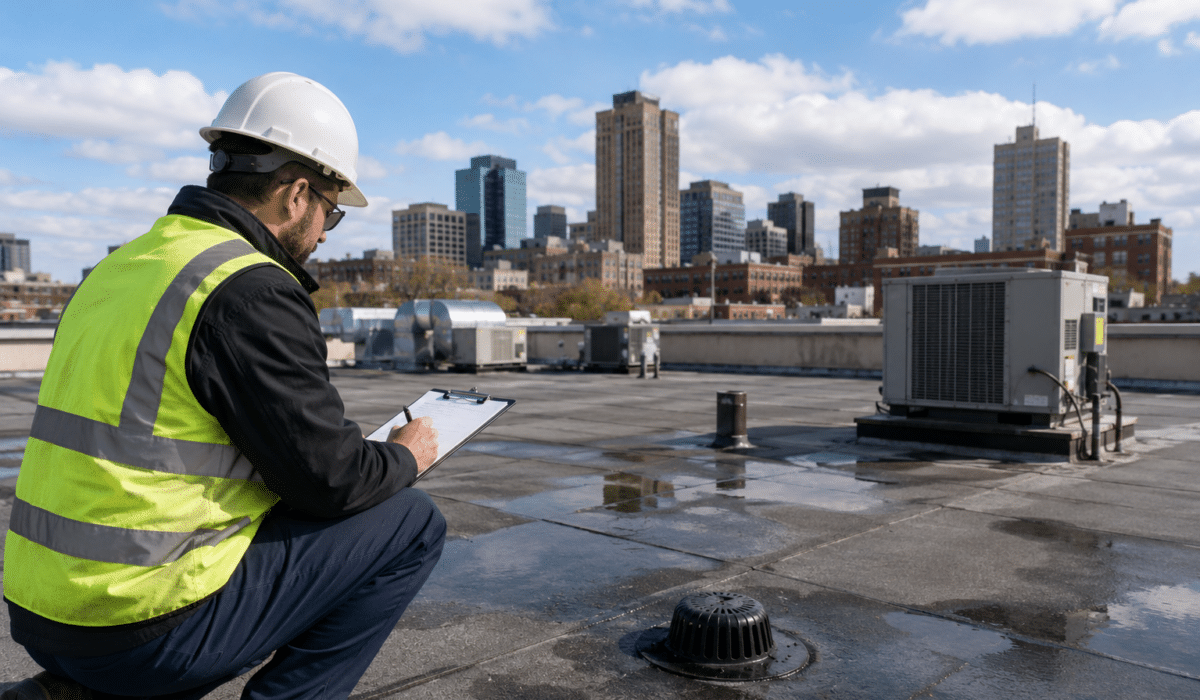
Commercial roof systems are one of the most important assets property managers oversee. In Hamilton, changing weather conditions, seasonal freeze-thaw cycles, and heavy rainfall can accelerate roof deterioration if maintenance is inconsistent. A proactive maintenance strategy helps commercial property owners avoid emergency repairs, extend roof lifespan, and maintain tenant confidence.
For property managers responsible for office buildings, retail plazas, industrial facilities, or multi-unit properties, preventative roofing care should be part of long-term operational planning. Investing in regular inspections and maintenance can significantly reduce the risk of disruptive leaks, structural damage, and unexpected capital expenses.
Why Preventative Roof Maintenance Matters
Routine inspections are the foundation of effective commercial roof maintenance Hamilton property owners can rely on. Roof systems often develop issues gradually, especially around flashing, seams, drains, and rooftop penetrations. Without regular evaluations, small defects may go unnoticed until water infiltration causes more serious damage inside the building.
A scheduled maintenance plan should include visual inspections after major storms and at least twice annually. Spring and fall inspections are particularly important in Southern Ontario because seasonal weather shifts place added stress on roofing materials. During these assessments, contractors can identify membrane damage, ponding water, blocked drainage systems, and signs of premature wear before they become larger repair projects.
Preventative roof maintenance also reduces operational disruptions. Water intrusion can damage inventory, interrupt business activity, and create safety concerns for tenants and staff. Addressing roofing issues early allows property managers to maintain safer, more reliable facilities while avoiding costly emergency service calls.
Common Roofing Issues in Hamilton Commercial Properties
Hamilton’s climate presents several challenges for commercial roofing systems. Freeze-thaw cycles can cause expansion and contraction around seams and flashing details, while heavy snow accumulation and rainfall increase pressure on drainage systems. Over time, these environmental conditions can weaken roofing materials and shorten system lifespan.
Flat roof drainage inspections are especially important for commercial buildings with low-slope roofing systems. Standing water can accelerate membrane deterioration and increase the likelihood of leaks. Clogged drains, blocked scuppers, and debris accumulation should be addressed quickly to maintain proper water flow.
Roof penetrations are another common problem area. HVAC systems, vents, skylights, and mechanical equipment create vulnerable points where water infiltration may occur. Regular inspections help identify deteriorating sealants or damaged flashing before interior damage develops.
Property managers should also monitor signs of aging roof materials, including blistering membranes, loose seams, cracking, or visible pooling water. These indicators often suggest the need for repairs or broader lifecycle planning discussions.
The Value of Scheduled Commercial Roof Inspections
Commercial roof inspection Hamilton services help property managers move from reactive repairs to proactive asset management. Routine inspections create opportunities to identify concerns early while supporting long-term budgeting and capital planning.
Professional roofing inspections typically include:
- Membrane condition assessments
- Drainage evaluations
- Flashing and seam inspections
- Rooftop penetration reviews
- Moisture detection assessments
- Documentation with photos and recommendations
Maintaining detailed inspection records is also valuable for warranty compliance and insurance documentation. Historical maintenance reports provide property managers with better visibility into roof performance over time and support informed decision-making when repair or replacement needs arise.
Working with an experienced contractor that specializes in commercial roofing helps ensure maintenance programs are tailored to the building’s size, age, occupancy requirements, and roofing system type.
Integrating Roofing Into Property Management Planning
Roof maintenance should not operate independently from broader facility management strategies. Many property managers are now incorporating roofing services into comprehensive property maintenance programs to improve operational coordination and reduce long-term maintenance costs.
Integrated maintenance planning provides several advantages:
- More predictable annual budgeting
- Reduced emergency repair frequency
- Better vendor coordination
- Improved building performance
- Extended asset lifespan
Commercial building lifecycle planning becomes more effective when roofing systems are evaluated regularly alongside other exterior components. Property managers can better prioritize repairs, schedule phased upgrades, and avoid unexpected capital expenditures.
This approach is especially important for aging commercial properties where deferred maintenance may increase operational risk. Proactive roof management helps stabilize long-term maintenance costs while preserving property value.
How Preventative Maintenance Extends Roof Lifespan
One of the primary goals of preventative roof maintenance is maximizing the useful life of existing roofing systems. Replacing a commercial roof is a significant capital expense, and premature replacement can place unnecessary strain on operational budgets.
Regular maintenance helps extend roof performance by identifying issues before they compromise the system. Small repairs, drainage corrections, and targeted membrane maintenance are often far less expensive than large-scale restoration projects caused by prolonged neglect.
Preventative maintenance also supports energy efficiency. Damaged roofing systems can contribute to insulation deficiencies and moisture intrusion, which may increase heating and cooling demands. Maintaining roof integrity helps improve overall building performance while protecting interior environments.
For property managers overseeing multiple facilities, standardized maintenance schedules can improve portfolio-wide consistency and reduce long-term risk exposure.
Building a Long-Term Roofing Strategy
Successful commercial roof maintenance Hamilton property managers depend on requires consistency, documentation, and proactive planning. Waiting for visible leaks or tenant complaints often results in higher repair costs and avoidable operational disruptions.
Developing a long-term roofing strategy begins with regular inspections, preventative maintenance scheduling, and partnership with experienced commercial roofing professionals. This process allows property managers to make informed decisions based on condition data rather than emergency circumstances.
Whether managing industrial buildings, office complexes, retail centers, or multi-unit facilities, preventative roof care remains one of the most effective ways to protect building performance and long-term property value.
To reduce long-term roofing costs and protect your commercial property investment, Contact Torham Exterior Solutions to schedule a commercial roof inspection.